
CATEGORY
THE ARCHIVE
Still on the menu.
We haven’t added a story for that craving yet.
Try another place or dish.
A NOTE FROM JO PIGGY
A little curiosity.
A very big appetite.
Hi, I’m JO PIGGY. Think of Pig Out Korea as a friend who enjoys reading the reviews almost as much as you enjoy planning the next meal.
We bring together Korean food stories, neighborhood discoveries, and local reviewers’ perspectives for travelers with an appetite for more.
Our archive is built from research and linked sources. We don’t pretend we’ve eaten every meal ourselves. We help you find the places you’d like to try.
Let’s find your next bite ↗Contact
A question, a local tip, or just a hello?
bravora2026@gmail.comBelow Freezing, Still Iced? Korea’s Iced Americano Habit, Explained
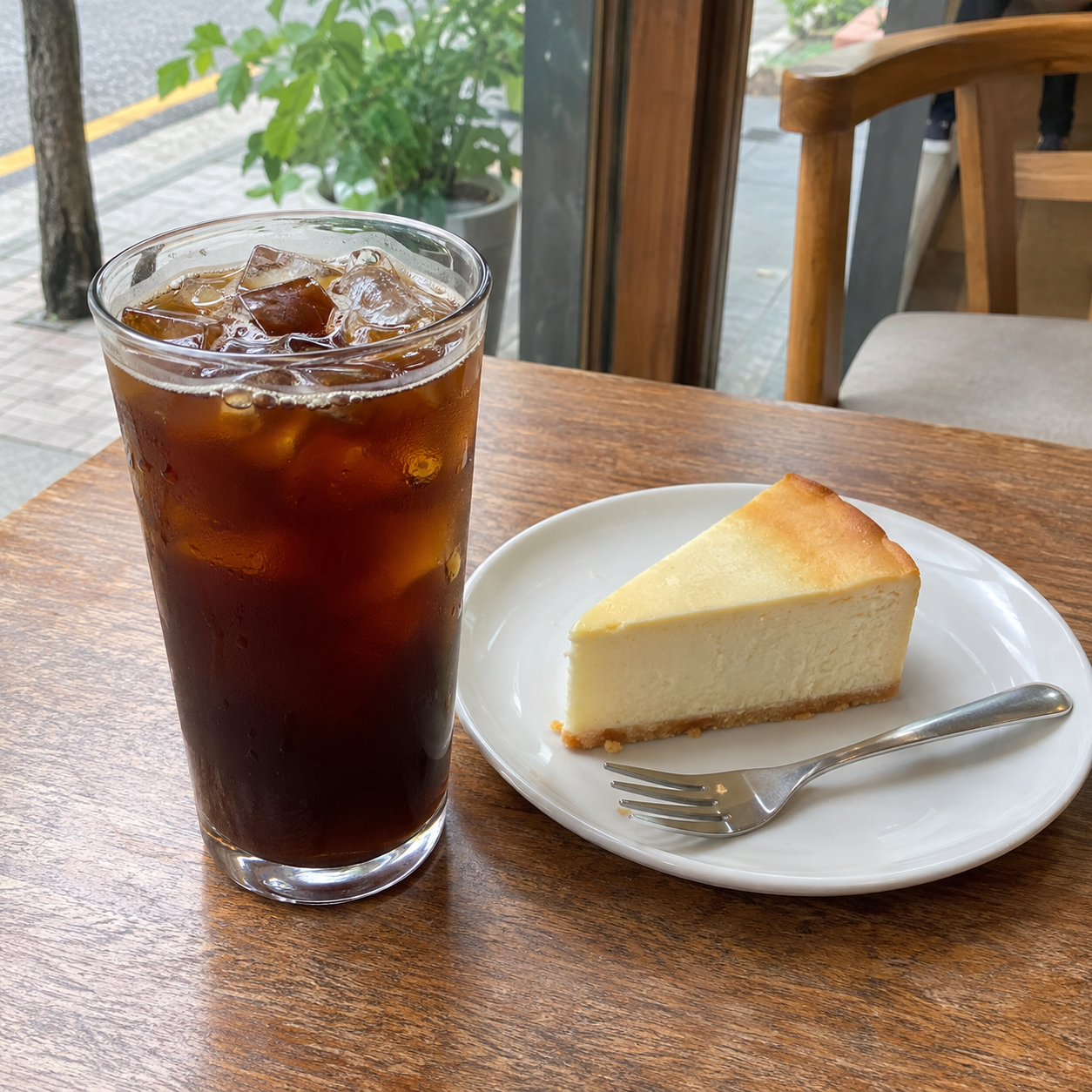
Padded jackets, ice-filled cups
Gloves on your hands, ice in your coffee. Spot this combination on a Korean winter street and you might pause for a moment. Hot coffee is right there on the menu. Why choose a drink that makes your hands colder?
Korea has a playful word for this preference: eoljuka (a shortened expression meaning “iced Americano, even if I freeze to death”). It is a joke about liking cold coffee in cold weather, rather than a literal declaration. You may also hear aa (pronounced “ah-ah,” a Korean shorthand for iced Americano) when someone orders.
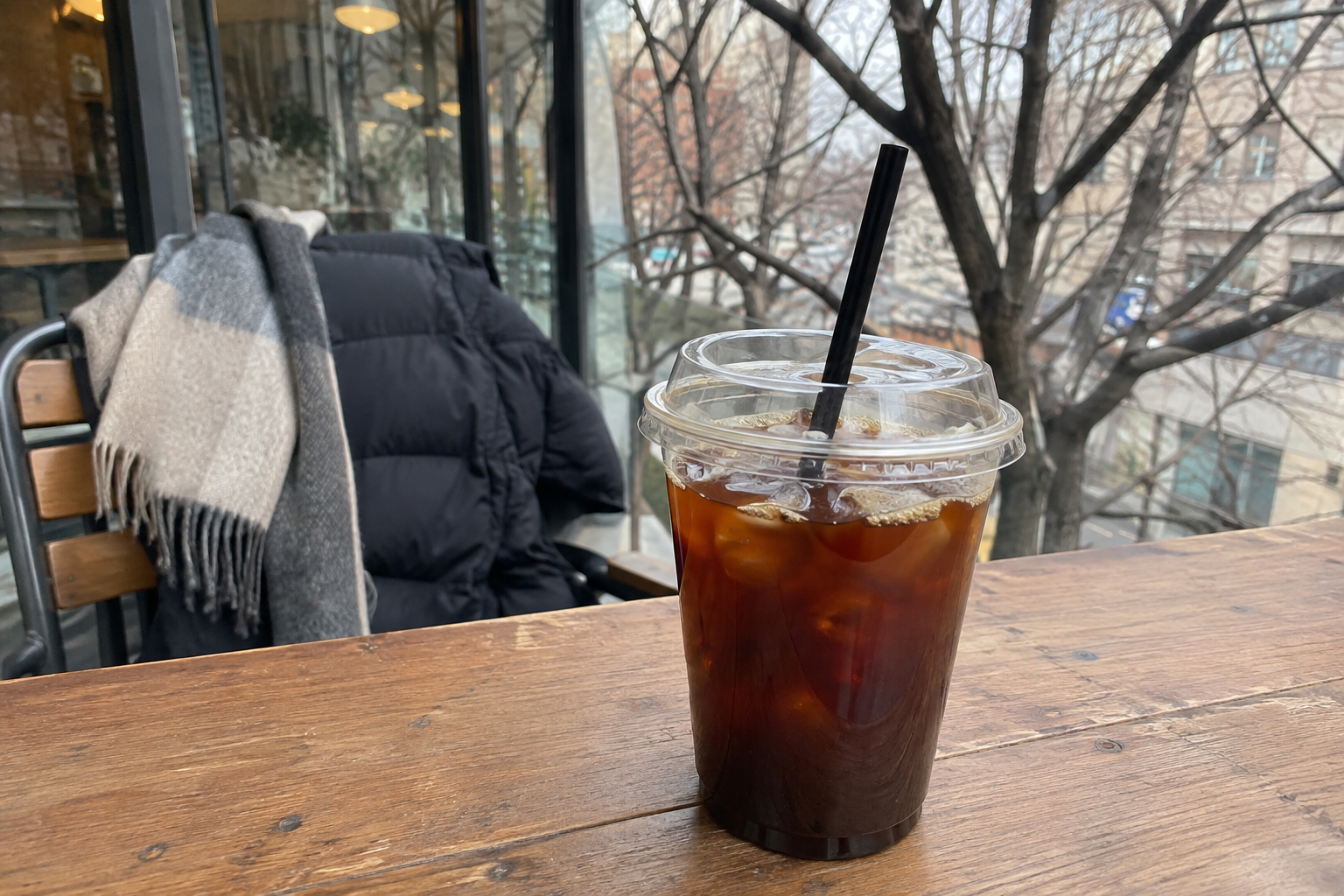
Trying to explain this habit with a single statement about “what Koreans are like” misses some of the interesting details. The cup holds more than a temperature: there is ice, water, coffee strength and the time it takes to finish the drink.
An Americano gives espresso a little more room
A basic Americano is espresso with added water. It offers a different pace from a short, concentrated espresso. Order it iced, and ice becomes part of the drink too.
The proportions of espresso, water and ice vary between cafes. One serves a smaller, stronger cup; another offers something larger and lighter. A short order for an aa can cover quite a range of flavours.
If you usually focus on where the beans came from, look at the size of the cup and the amount of water as well. The same beans can leave a different impression depending on how concentrated the drink is.
Hot and cold coffee introduce themselves differently
With hot coffee, you may notice the aroma as soon as you bring the cup towards your nose. With iced coffee, the cold sensation or the drink’s concentration might reach you first. Temperature changes how you experience the same coffee.
A sensory study of coffee at different drinking temperatures also found differences in its sensory characteristics. That does not establish why Koreans like iced coffee, however. A change in flavour perception and a society’s drinking habits are separate questions.
You can make a simpler comparison yourself. At a cafe using the same beans, try a little hot coffee and a little iced coffee. Notice when the aroma appears and how the bitterness or acidity comes across. If the amount of water differs too, keep that difference in mind.
The ice keeps changing your drink
The first sip of an iced Americano and the last sip much later are unlikely to taste exactly the same. As the ice melts, it adds water, and the temperature of the drink changes too.

A coffee that seems a little strong at first may become more comfortable to drink slowly. One that starts light might become too diluted for your taste. Your preference involves how fast you drink, as well as which beans you like.
Less ice does not automatically mean stronger coffee. A cafe might fill the extra space with water, or it might follow a different fixed recipe. If you want a cold drink that tastes less diluted, asking about the water and espresso shots can be more useful than discussing ice alone.
Seen this way, eoljuka is about more than liking a low temperature. It also involves choosing a coffee strength that works for the time you will spend drinking it.
Next to dessert, the coffee takes on another role
Pair a rich cake with a sweet drink, and the sweetness can carry straight through the meal. An Americano without added sugar or milk offers a different contrast: its bitterness or acidity can stand beside the dessert’s sweetness.
The beans matter here too. You might enjoy a darker, roasted flavour alongside a chocolate dessert, or prefer a brighter, more acidic coffee with a fruit cake. Either way, pay attention to what remains after each bite and sip.
Serve the coffee cold, and the break feels different again. That does not mean every Korean cafe customer chooses an iced Americano for the same reason. Some order it because it is familiar, easy to drink, or simply the temperature they enjoy.
To understand eoljuka, try the same cup three times
Order an aa at a Korean cafe and remember the first sip. Take another after a bite of dessert, then one more after some of the ice has melted.
It is the same cup, but the aroma, strength and contrast with the dessert may feel different each time. You do not have to fall in love with iced coffee in the middle of winter.
Next time you see someone holding an icy cup while wrapped in a padded jacket, you might have another question besides “Aren’t they cold?”
“What do they enjoy about that coffee right now?”
Comments 0