
CATEGORY
THE ARCHIVE
Still on the menu.
We haven’t added a story for that craving yet.
Try another place or dish.
A NOTE FROM JO PIGGY
A little curiosity.
A very big appetite.
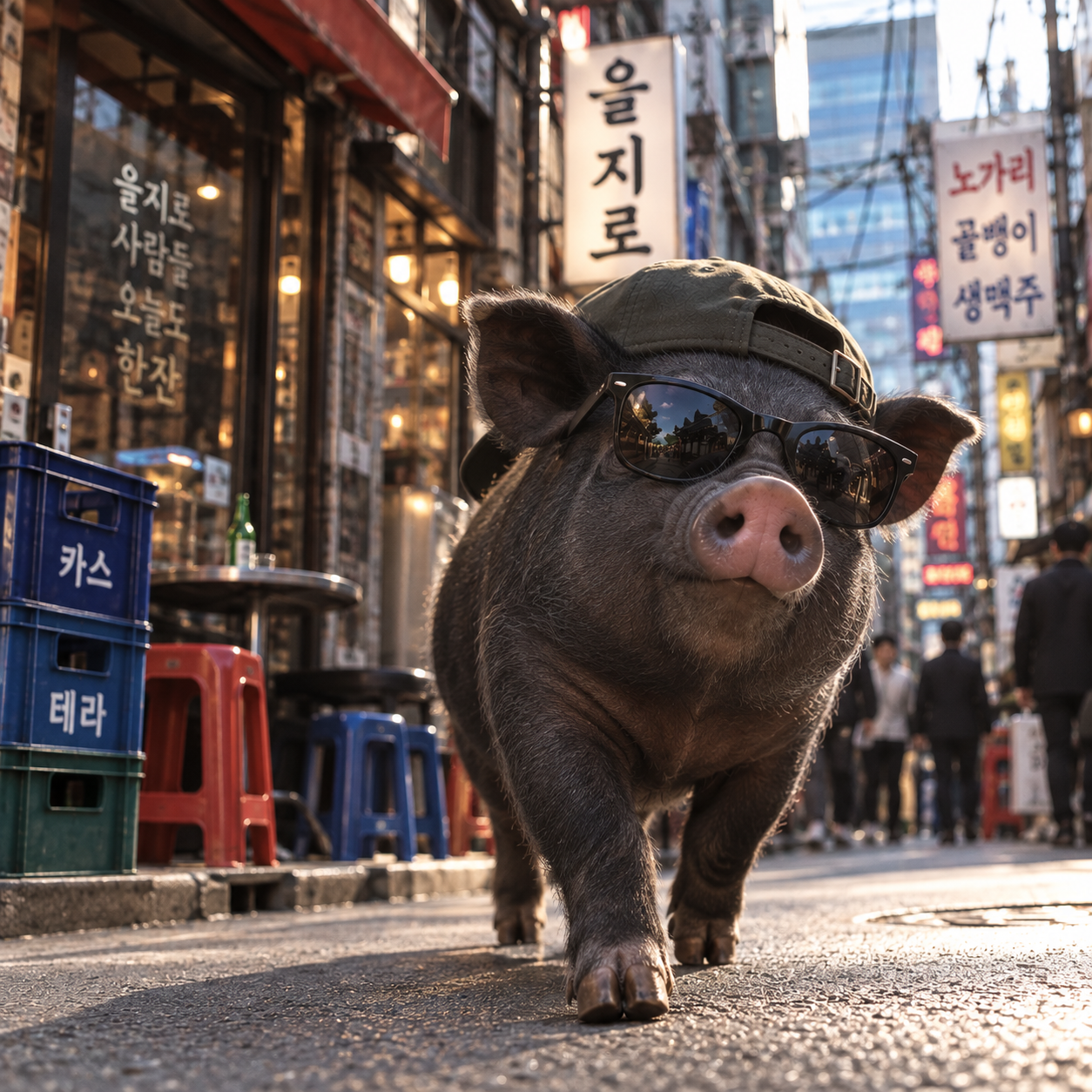
Hi, I’m JO PIGGY. Think of Pig Out Korea as a friend who enjoys reading the reviews almost as much as you enjoy planning the next meal.
We bring together Korean food stories, neighborhood discoveries, and local reviewers’ perspectives for travelers with an appetite for more.
Our archive is built from research and linked sources. We don’t pretend we’ve eaten every meal ourselves. We help you find the places you’d like to try.
Let’s find your next bite ↗Contact
A question, a local tip, or just a hello?
bravora2026@gmail.comThey Said “A Little Spicy.” Why Did One Bite Stop You Talking?
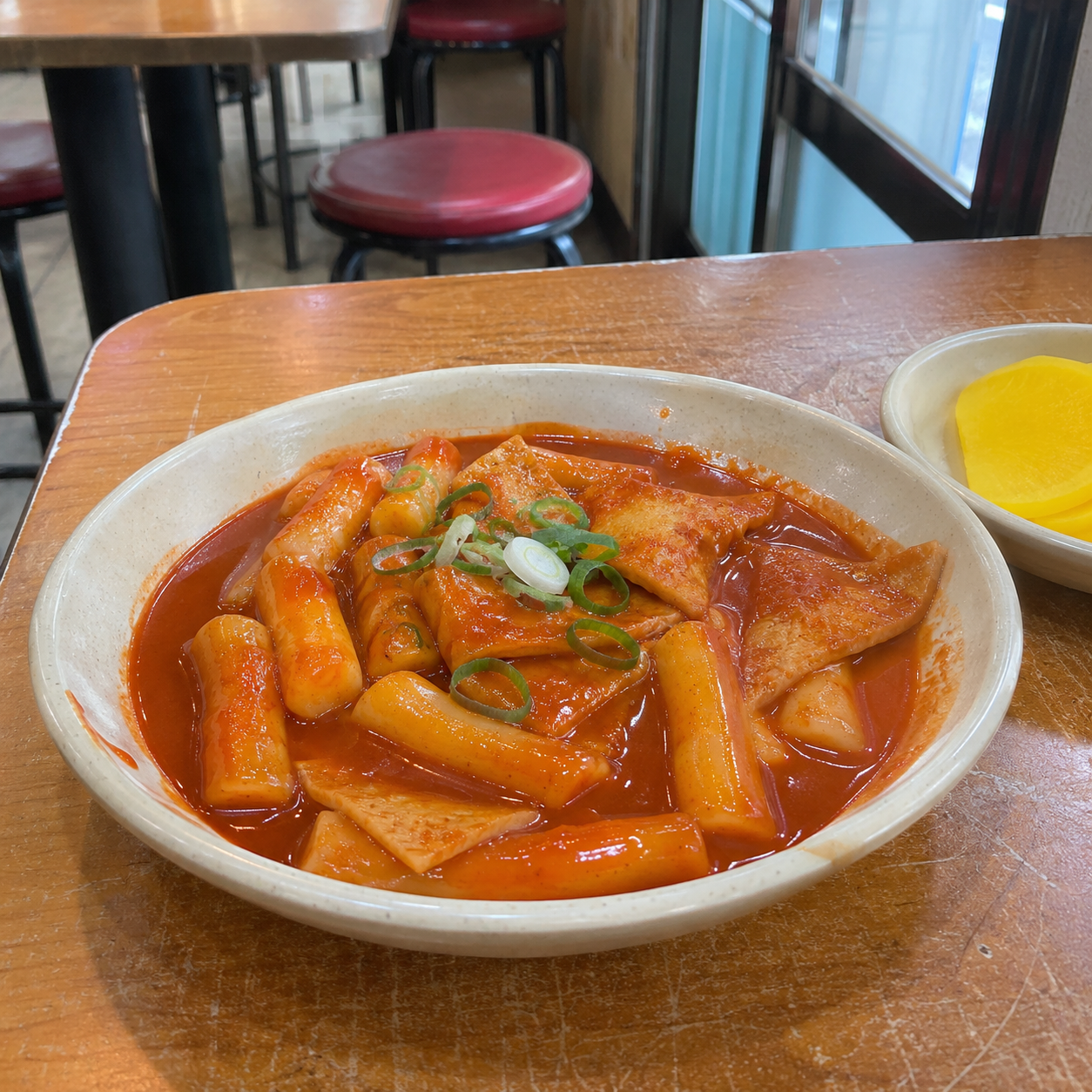
Their “a little” may be very different from yours
You checked before ordering.
“Is it very spicy?”
“Just a little,” came the answer. Reassured, you took a bite—and suddenly had nothing more to say.
Did the server mislead you? Not necessarily. Their idea of “a little” may simply be different from the amount of heat you enjoy.
Choosing spicy food in Korea is less about proving your courage and more about explaining your own limits. Ask what can be adjusted before the food is cooked.
Colour can point you in the wrong direction
Red seasoning can bring sweetness, saltiness and the flavour of fermented pastes as well as heat. A deeper red does not always mean a hotter dish.
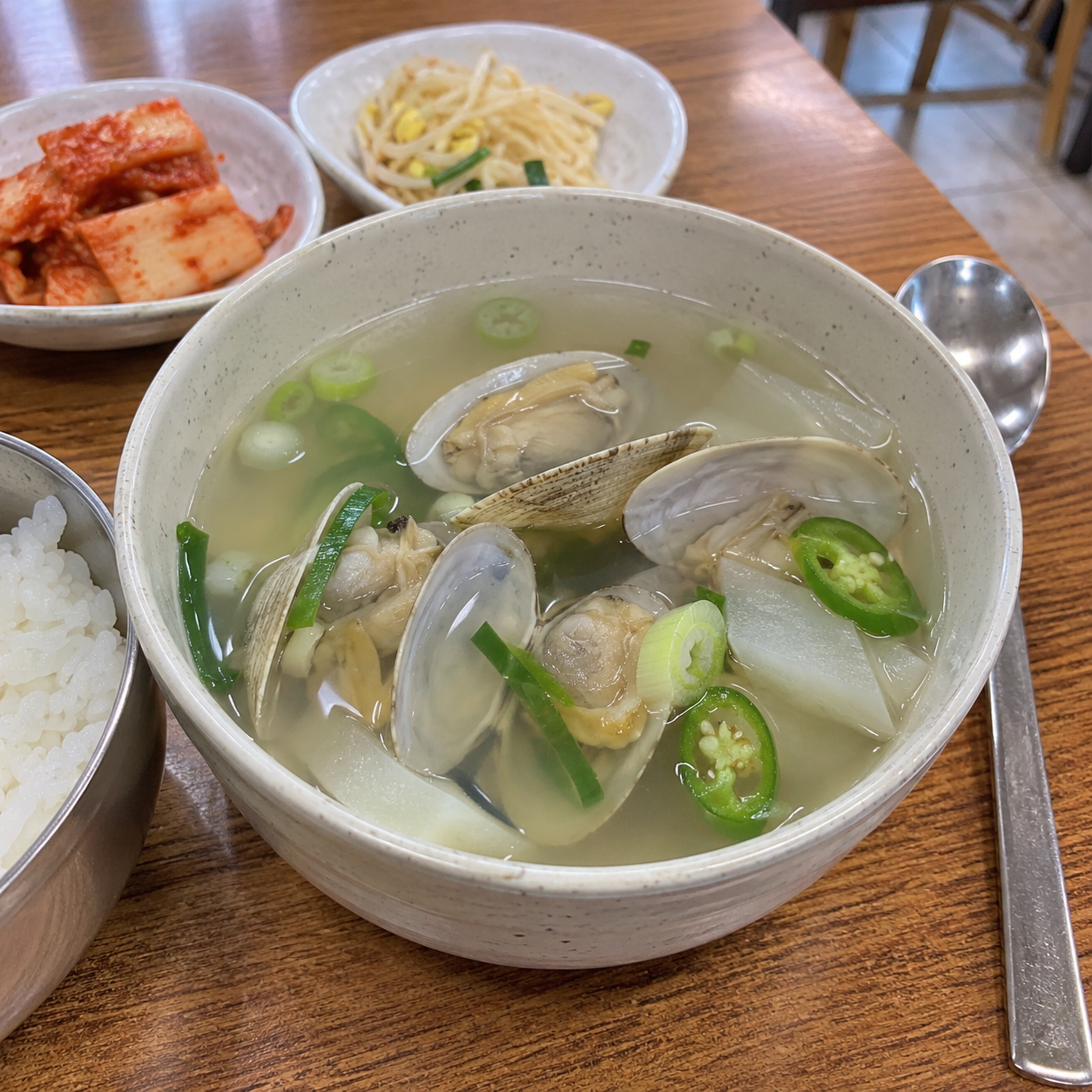
The reverse matters too: clear broth does not necessarily mean there are no chillies in it. Sliced chillies or a spicy seasoning added to the soup can produce a very different bite from the one you expected.
A dish's name is not a fixed heat rating, either. Tteokbokki, kimchi-jjigae and dakgalbi can vary between restaurants and menu versions. If you enjoyed one elsewhere, do not assume the next will have exactly the same heat.
Use photographs to help choose what looks appealing. Use questions to find out how spicy it is.
“Not spicy” and “less spicy” are different requests
Two useful phrases are:
“안 맵게 해주세요.” — An maepge haejuseyo.
“Please make it not spicy.”
Use this when you want to avoid heat as much as possible.
“덜 맵게 해주세요.” — Deol maepge haejuseyo.
“Please make it less spicy.”
This asks for less heat than the dish normally has. Some spicy ingredients may remain.
If you have very little tolerance for chilli, start with:
“매운 걸 잘 못 먹어요.” — Maeun geol jal mot meogeoyo.
“I don't handle spicy food very well.”
That explains your starting point more clearly than simply asking for “a little” spice.
Then ask one more question: “Can the spice level of this dish be adjusted?”
Making a request does not mean the kitchen can fulfil it. A dish made with a prepared sauce or broth may be difficult to change. If it cannot be adjusted enough, ask for a milder alternative rather than repeating the same request.
“Mild” is a level within that menu
You may see 순한맛—mild, 보통맛—regular, and 매운맛—spicy. For a first visit, start by looking at the lowest level.
But “mild” does not necessarily mean free of spicy ingredients. It may simply mean milder than the other versions of that dish. Nor is there a shared scale that makes one restaurant's mild directly comparable with another's regular.
If you want to avoid chilli heat, ask whether the mild version is still spicy and whether it contains chilli seasoning.
You also do not have to join your friend's hottest-level order just because they enjoy it. With a shared pot, agree on a level everyone can eat before ordering. The person who likes more heat can ask whether extra seasoning is available separately.
Letting the table's most spice-tolerant diner decide may leave someone else eating little beyond the side dishes.
Sauce on the side gives you more control
For a dish such as bibimbap, where you mix in the sauce yourself, ask whether the gochujang—Korean red chilli paste—can come separately. Add a little at a time instead of tipping in the whole serving.
The same approach can help with other dishes where you choose or add the seasoning at the table: taste first, then add only what you want.
Food already stir-fried or simmered in a spicy sauce works differently. Removing some sauce from the edge of the plate does not undo the heat already in the dish. If you want an adjustment, discuss it before cooking.
Rather than looking only for clear soup, ask about the ingredients and seasonings. Even when choosing something such as bulgogi or grilled meat, check whether you are ordering a version with chillies or a spicy sauce.
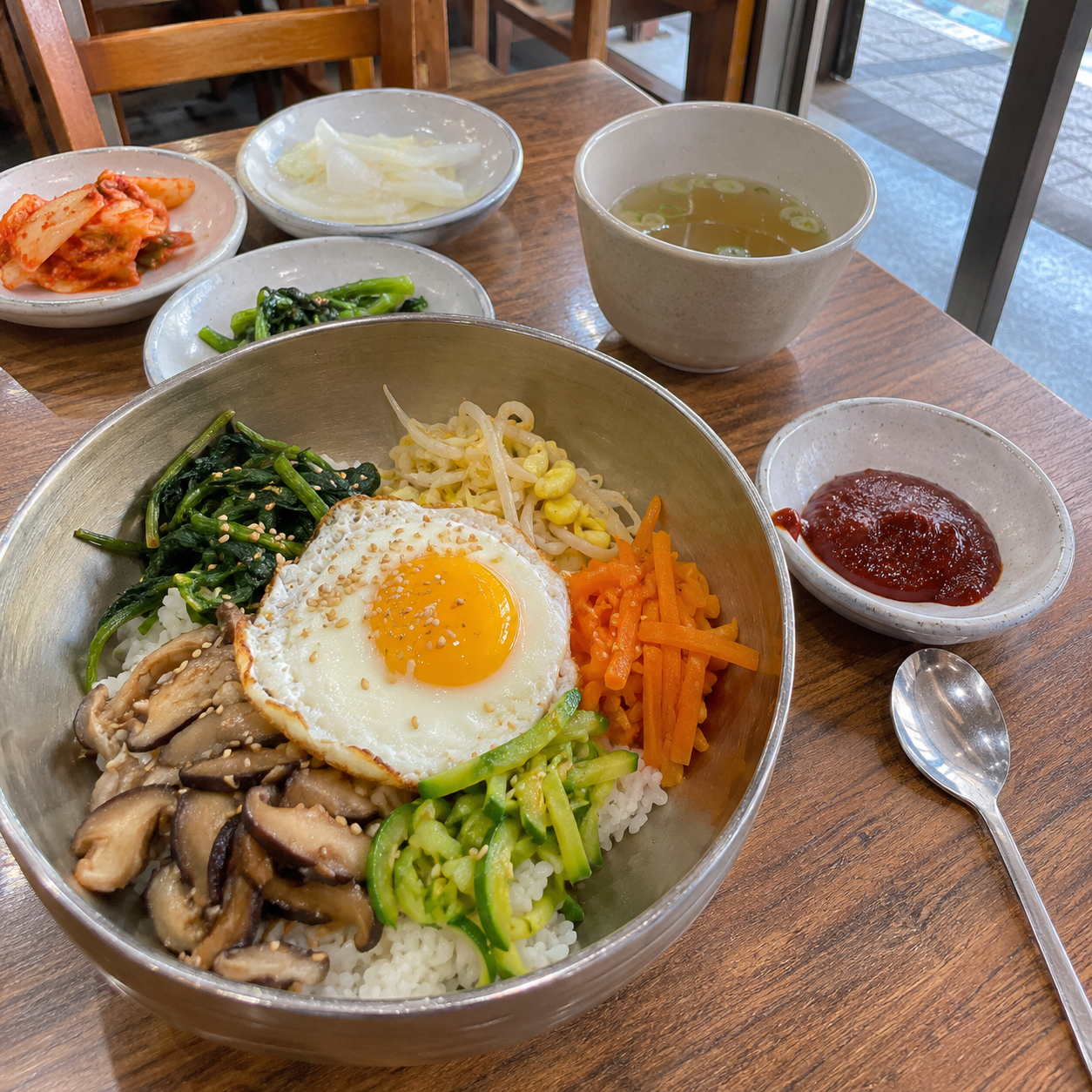
Enjoying the food is different from enduring it
Being curious about Korean food does not require choosing the hottest dish on your first day. Start lower, get to know the flavour and try more heat another time if you want to.
If a dish is hotter than expected, pause. You do not have to match someone else's eating pace or force yourself to empty the bowl. Nor does your next meal need to continue at the same heat level.
“I don't handle spicy food very well” may be a more useful travel phrase than “make it hotter.” Saying it before ordering can make your options clearer.
A dish you wanted another bite of is a better memory than a spice level you only managed to survive.
Comments 0