
CATEGORY
THE ARCHIVE
Still on the menu.
We haven’t added a story for that craving yet.
Try another place or dish.
A NOTE FROM JO PIGGY
A little curiosity.
A very big appetite.
Hi, I’m JO PIGGY. Think of Pig Out Korea as a friend who enjoys reading the reviews almost as much as you enjoy planning the next meal.
We bring together Korean food stories, neighborhood discoveries, and local reviewers’ perspectives for travelers with an appetite for more.
Our archive is built from research and linked sources. We don’t pretend we’ve eaten every meal ourselves. We help you find the places you’d like to try.
Let’s find your next bite ↗Contact
A question, a local tip, or just a hello?
bravora2026@gmail.comKorean Drinks Guide 02: Beyond the Green Bottle—Soju, Distilled Spirits and What to Eat with Them
Choose dinner before you choose the bottle
Samgyeopsal turns golden on the grill. A pot of spicy fish stew bubbles nearby. A slice of raw fish lands on a small plate. In a Korean restaurant, a bottle of soju rarely sits far from the food. You can choose your drink and find something to eat with it, but choosing the food first is another good way into the menu.
This guide puts beef, pork, soups, gukbap and raw fish beside the soju glass. We will look at familiar restaurant names such as Chamisul, Chum Churum, Jinro, Saero and Hallasan, then move on to distilled spirits including Hwayo and Ilpum Jinro. The word “soju” covers more variation than one green bottle suggests.
Somaek ratios and mixed drinks have their own place in the next guide. Here, the focus is on the soju itself and the food beside it.
Familiar green bottles and the aromas of distilled soju
Many everyday restaurant sojus are made by diluting high-strength neutral alcohol with water and other ingredients. Sweetness, aroma and alcohol strength vary by product, but these bottles often have a relatively straightforward, clean character.
Distilled soju is made by distilling a fermented alcoholic base. Its grains, fermentation, distillation and maturation influence the aroma. Even when the liquid looks equally clear, rice or other grain characteristics can be more noticeable.
You do not have to declare one category the winner. Your choice may depend on whether you want an easy accompaniment to strongly seasoned food or want to pay as much attention to the spirit's aroma as to dinner.
A soft aroma does not necessarily mean a lower alcohol strength. Read the percentage on the bottle.
Five soju brands you may meet in Korean restaurants
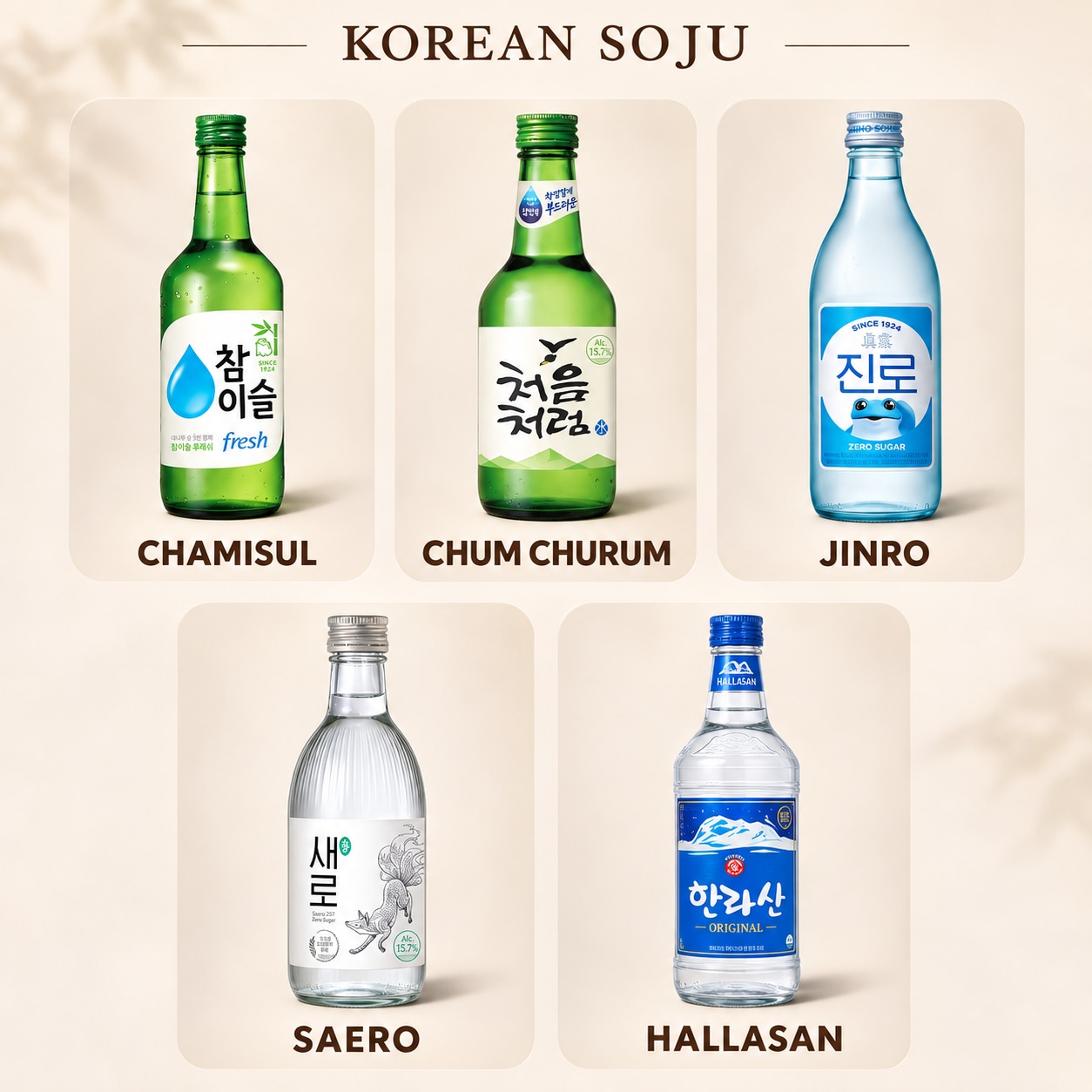
A menu may list only “soju” while the fridge holds several brands. The figures below refer to the basic domestic products identified in the Korean draft. Words such as “Fresh” and “Original” matter: different versions of the same brand can have different strengths.
| Brand | Basic product and ABV | What to check when ordering |
|---|---|---|
| Chamisul (참이슬) | Fresh, 15.7% | Distinguish it from the red-cap Original. |
| Chum Churum (처음처럼) | Basic product, 15.7% | Different from the stronger Classic 20. |
| Jinro (진로) | Basic product, 15.7% | Different from distilled Ilpum Jinro. |
| Saero (새로) | Basic product, 15.7% | Distinguish it from separate fruit-flavoured products. |
| Hallasan (한라산) | Hallasan 17, 17% | Hallasan 21 is listed separately below among the stronger versions. |
Product details recorded on 11 November 2026. Older stock, export bottles and other versions may differ. Read the label on the bottle you are actually drinking.
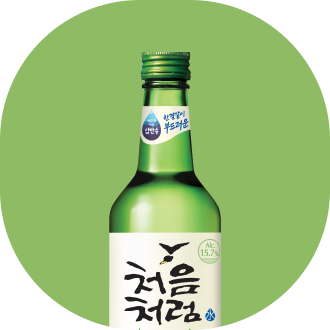

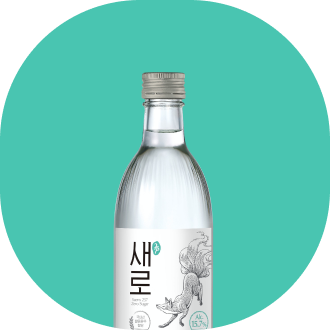
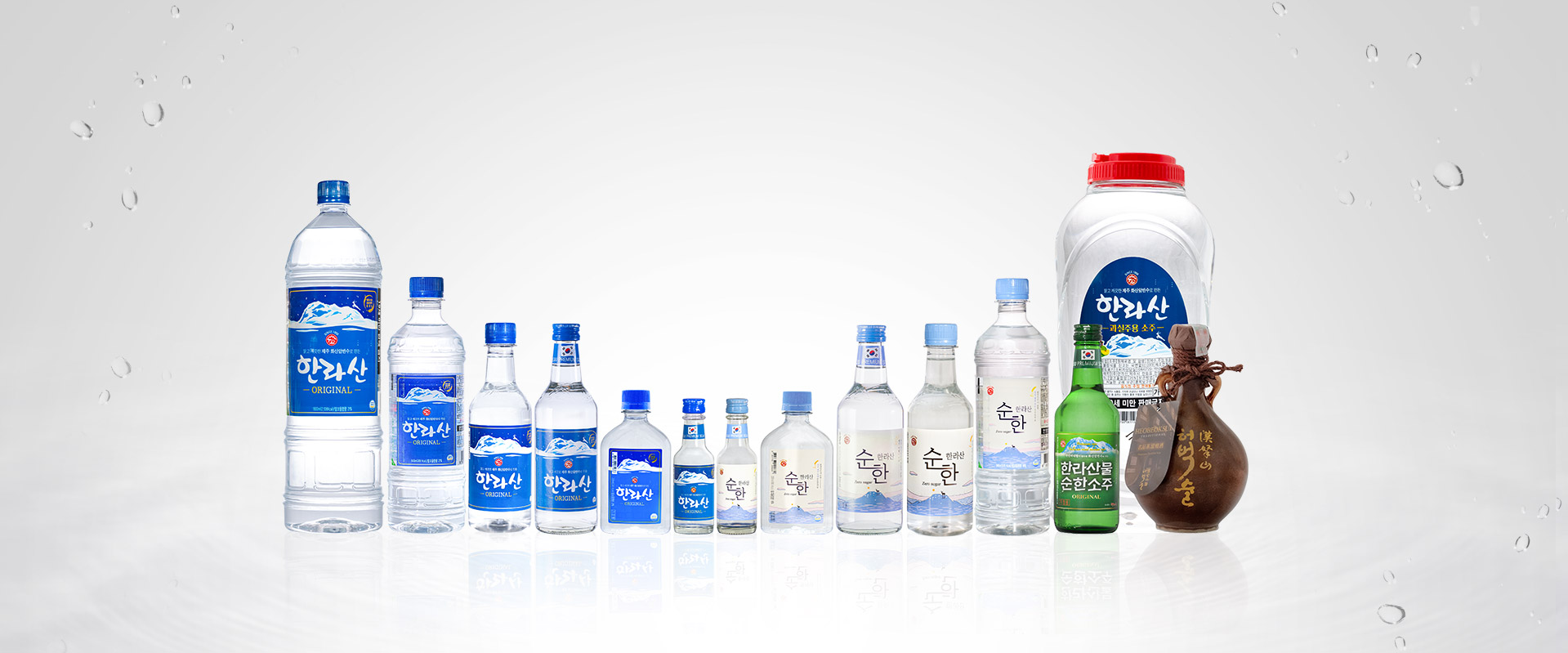
Read “Original” and “Classic,” as well as the cap colour
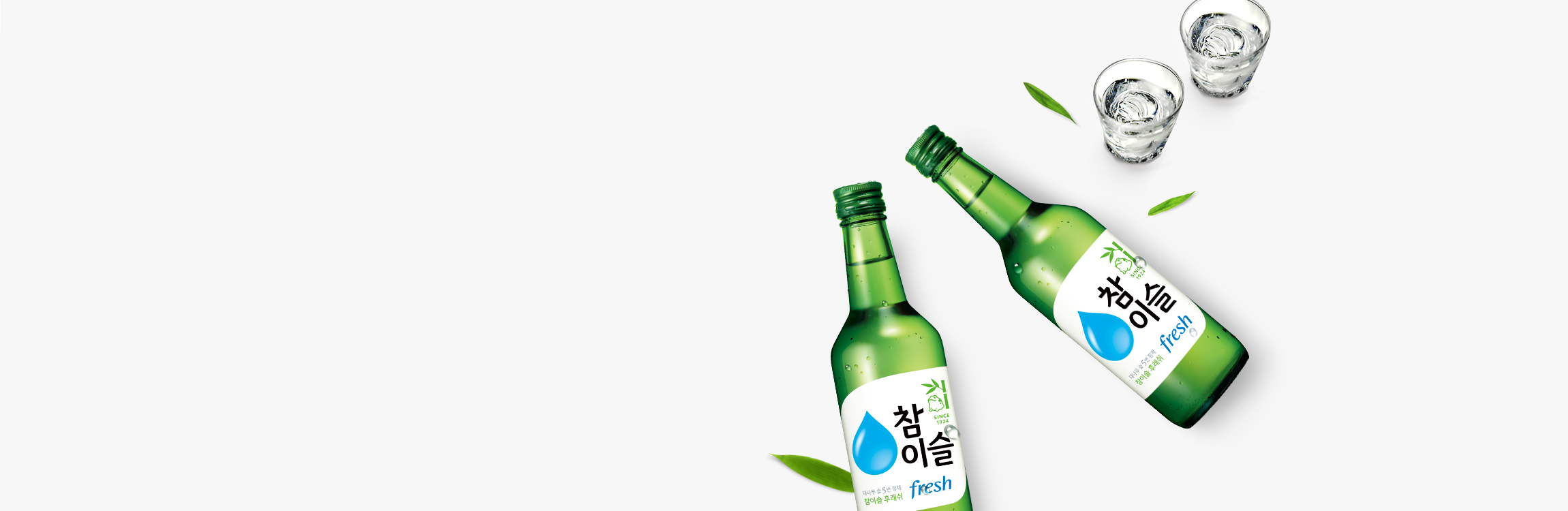
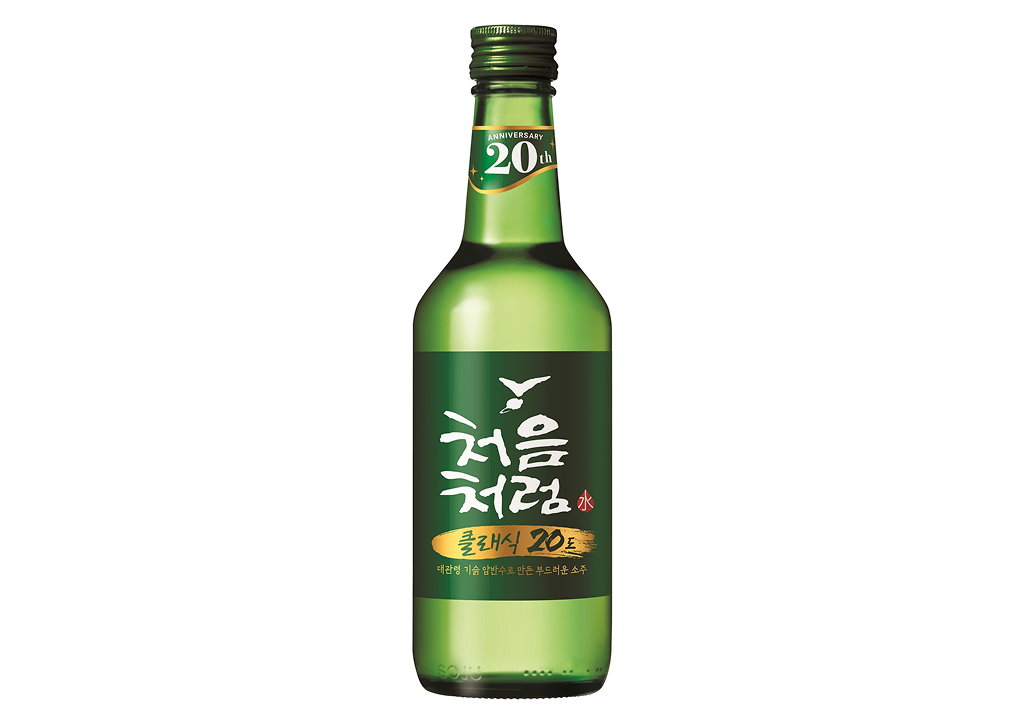
Chamisul Original, with its red cap, is 20.1% ABV, stronger than Chamisul Fresh above. Chum Churum also had a red-cap Jin version at 20%. In 2026, it was relaunched as Chum Churum Classic, still at 20%; the current official image shows a dark green cap and label. So look for “Original” or “Classic” in the product name, as well as the colour of the cap.
| Stronger product | ABV | How to recognize it |
|---|---|---|
| Chamisul Original | 20.1% | Red cap and “Original” labelling |
| Chum Churum Classic | 20% | The relaunched version of Chum Churum Jin; look for “Classic” and “20” |
| Hallasan 21 | 21% | Look for “21” or “ORIGINAL”; different from Hallasan 17 |

JO PIGGY's take. If you are not much of a spirits enthusiast, several chilled everyday sojus may taste fairly similar. But assume an Original or Classic is the basic version and drink at the same pace, and the evening can change. You might walk in on two feet and crawl out on four. Treat the red cap or a strength around 20% as a reason to slow down. Remembering the night is a better result than proving you can handle a stronger bottle.
Hwayo, Ilpum Jinro and Andong soju: explore Korea's distilled spirits
Curious about “Korea's whisky”? Take a look at Korean grain spirits such as Hwayo and Ilpum Jinro. There is pleasure in noticing the aroma, the finish of a sip, and how it changes alongside food. “Korea's whisky” is a comparison to that way of enjoying a spirit. These products are distilled soju: their ingredients, production and maturation differ from whisky, and they are not all oak-aged.
Korea's distilled spirits extend well beyond Hwayo. Fermented grain bases, distillation methods and maturation create different characters. Keep a few names in mind.
Hwayo (화요) is a rice-based spirit with products at several strengths, including Hwayo 17, 25, 41 and 53. The range also includes Hwayo 19金 and X.Premium, which explores oak maturation. Hwayo 25 is 25% ABV; Hwayo 41 is 41%. Sharing a brand name does not make them interchangeable pours. Depending on the product, you can explore rice character or aromas from maturation.
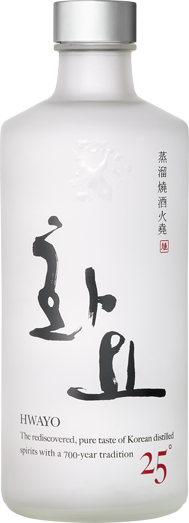
Ilpum Jinro (일품진로) is HiteJinro's distilled-soju range. Ilpum Jinro 25 is listed at 25% ABV, while Ilpum Jinro Mild is 16.9%. There are separate oak products using cask-matured spirit, too. The important distinction is that the basic restaurant Jinro and distilled Ilpum Jinro are different drinks. Read the full product name after “Jinro.”

Regional spirits such as Andong soju (안동소주) are also worth recognizing. The name refers to more than one producer or one fixed recipe. Strength and flavour depend on the brewery and product, so look for the producer's name as well as the regional name.
Begin with a small pour, notice its aroma and flavour, then see what changes with a bite of food. You can also compare it with a little water or ice, although serving suggestions vary by product. Remembering which aroma worked with which dish is more useful than simply remembering a high percentage.
These spirits are sometimes introduced under the broad heading of “traditional Korean liquor.” Regional traditions and modern brand histories are worth distinguishing. This guide uses “distilled soju” and “Korean distilled spirits” to describe production; a cultural connection to tradition does not automatically establish a product's legal classification as traditional liquor.
Beef: try the first piece with a little salt
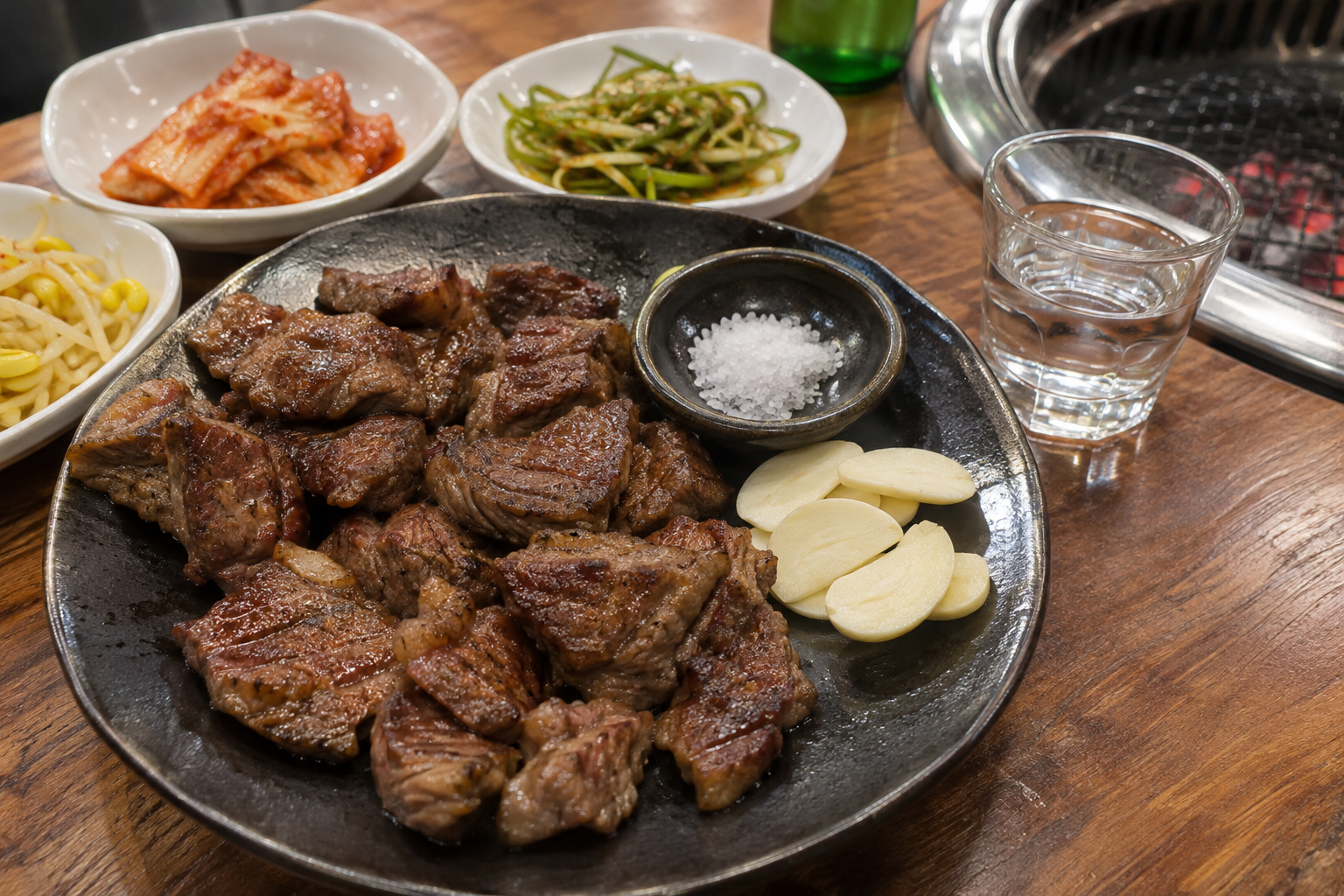
Grilled beef offers the aroma of its seared surface and the richness of its fat. A little salt on the first piece lets you notice both the meat and the spirit.
A diluted restaurant soju can provide a straightforward contrast between bites. A grain-forward distilled soju gives you another flavour to compare with the meat's richness. Heavy sauce from the very first bite can make those differences harder to pick out.
Marinated galbi (갈비), ribs, changes the picture: sweet and savoury seasoning already dominates the mouthful. If you have chosen a delicate spirit, compare a plain salt-seasoned piece with a marinated one. The same beef gives the drink a different place at the table.
Pork: samgyeopsal and suyuk make different mouthfuls
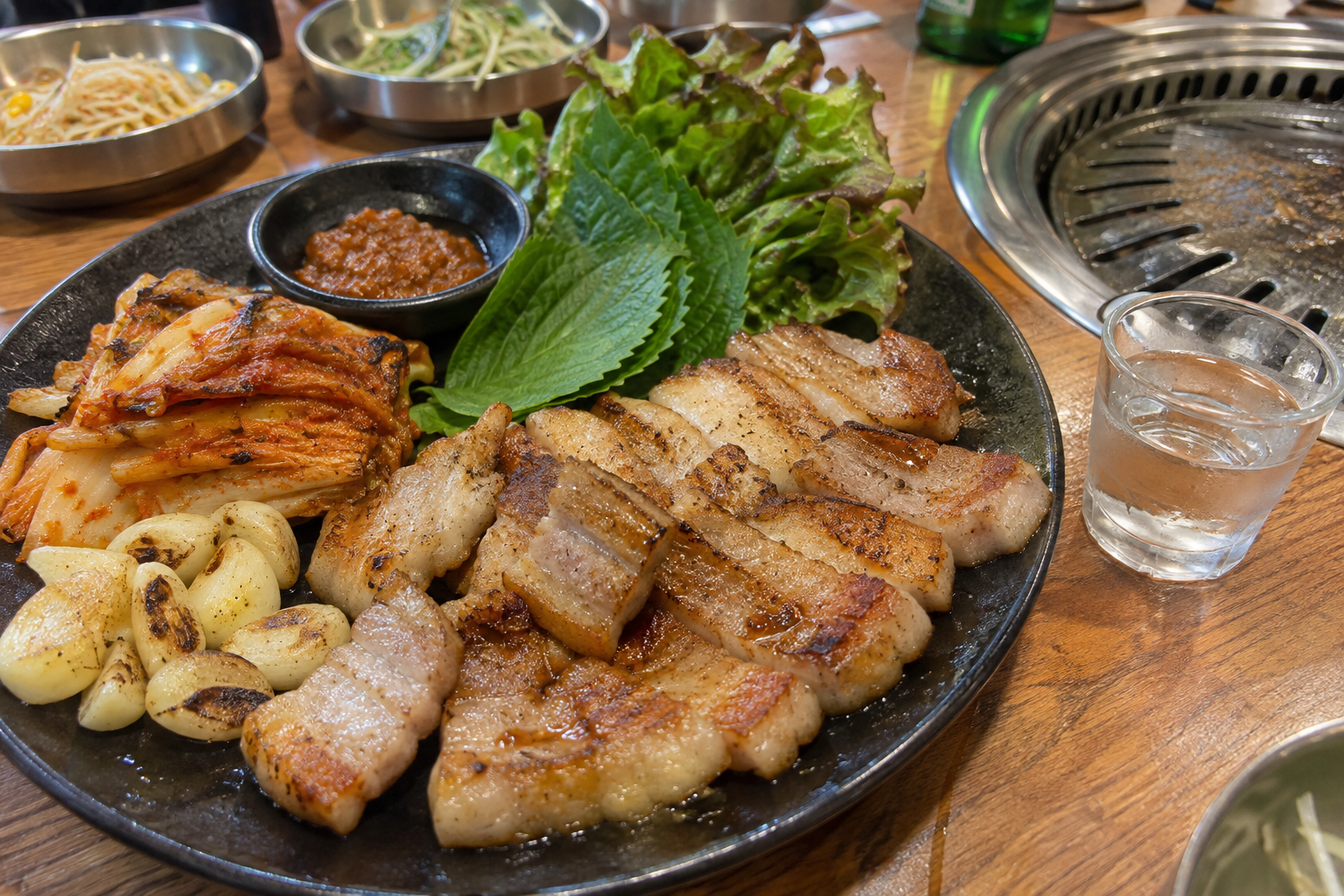
Samgyeopsal (삼겹살), grilled pork belly, brings the richness of browned fat. Follow a piece dipped only in salt with a ssam (쌈), a leafy wrap, containing kimchi, garlic and ssamjang (쌈장), a seasoned dipping paste. The flavour changes substantially. Your pairing follows the whole wrap, not just the pork.
Suyuk (수육), boiled pork, puts the emphasis on tender texture rather than grilled aromas. Start with little seasoning, then add kimchi or a small amount of saeujeot (새우젓), salted fermented shrimp.
A plain piece of suyuk can make a useful starting point when you want to explore the aroma of a distilled soju such as Hwayo or Ilpum Jinro. If you love strongly flavoured bossam kimchi, find a bottle that suits that mouthful instead. Include the seasoning around the meat in your comparison.
Tang: hot broth beside a cold glass
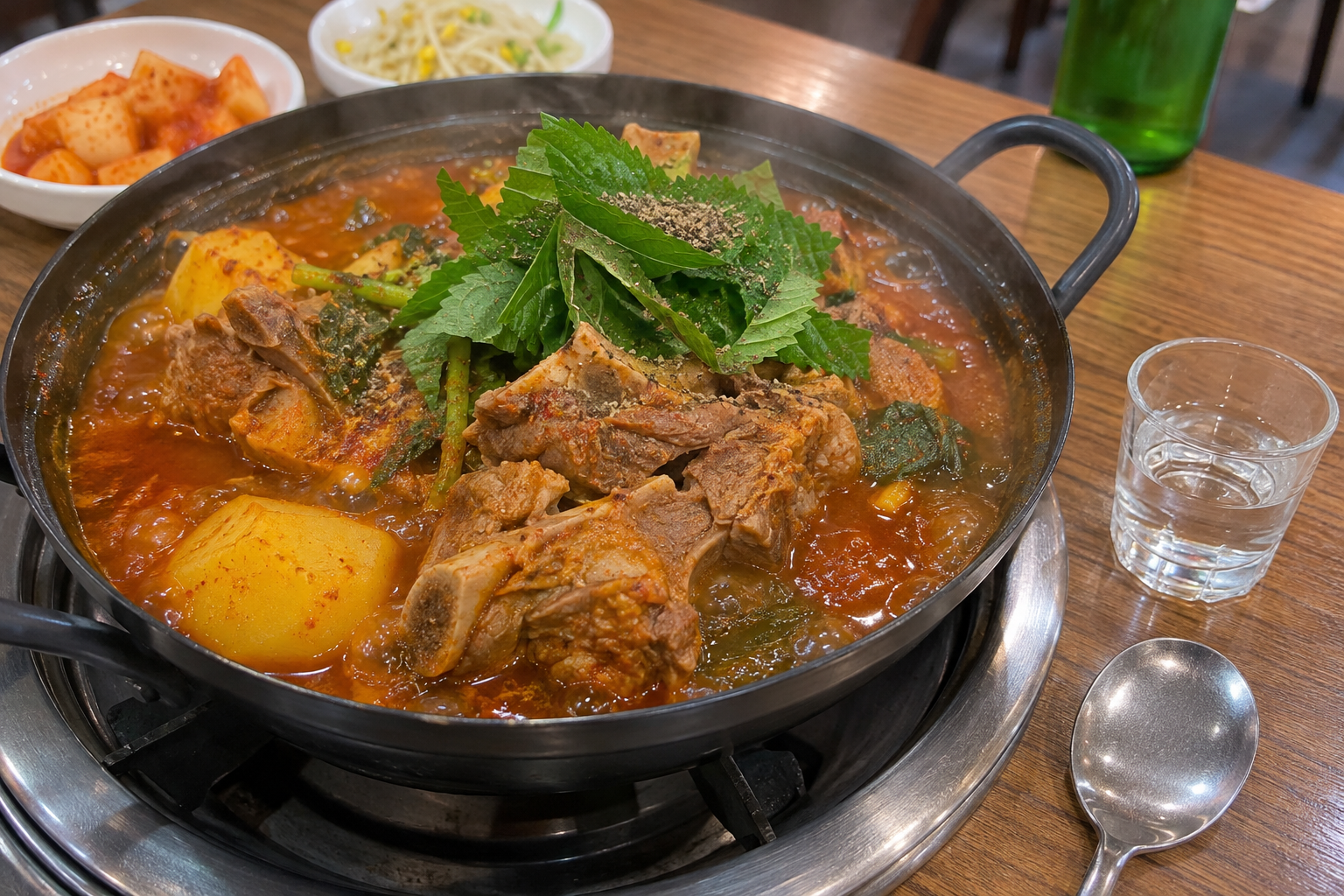
Rich, hot soup dishes such as gamjatang (감자탕), pork-bone soup, and maeuntang (매운탕), spicy fish stew, are familiar companions to soju. Meat or fish, vegetables and seasoning make this a different kind of meal from a plate of grilled food.
A clear broth can make it easier to compare the ingredients' aromas with those of the spirit. A spicy broth brings stronger heat and seasoning. If a distilled soju's aroma disappears behind an intense broth, try it with a less heavily seasoned piece of meat, fish or vegetable from the pot.
Soju does not remove the grease or solve the heat of a spicy soup. Enjoy the contrast between something hot and rich and a drink that is cold and clear.
Gukbap: taste a spoonful before adding the seasoning
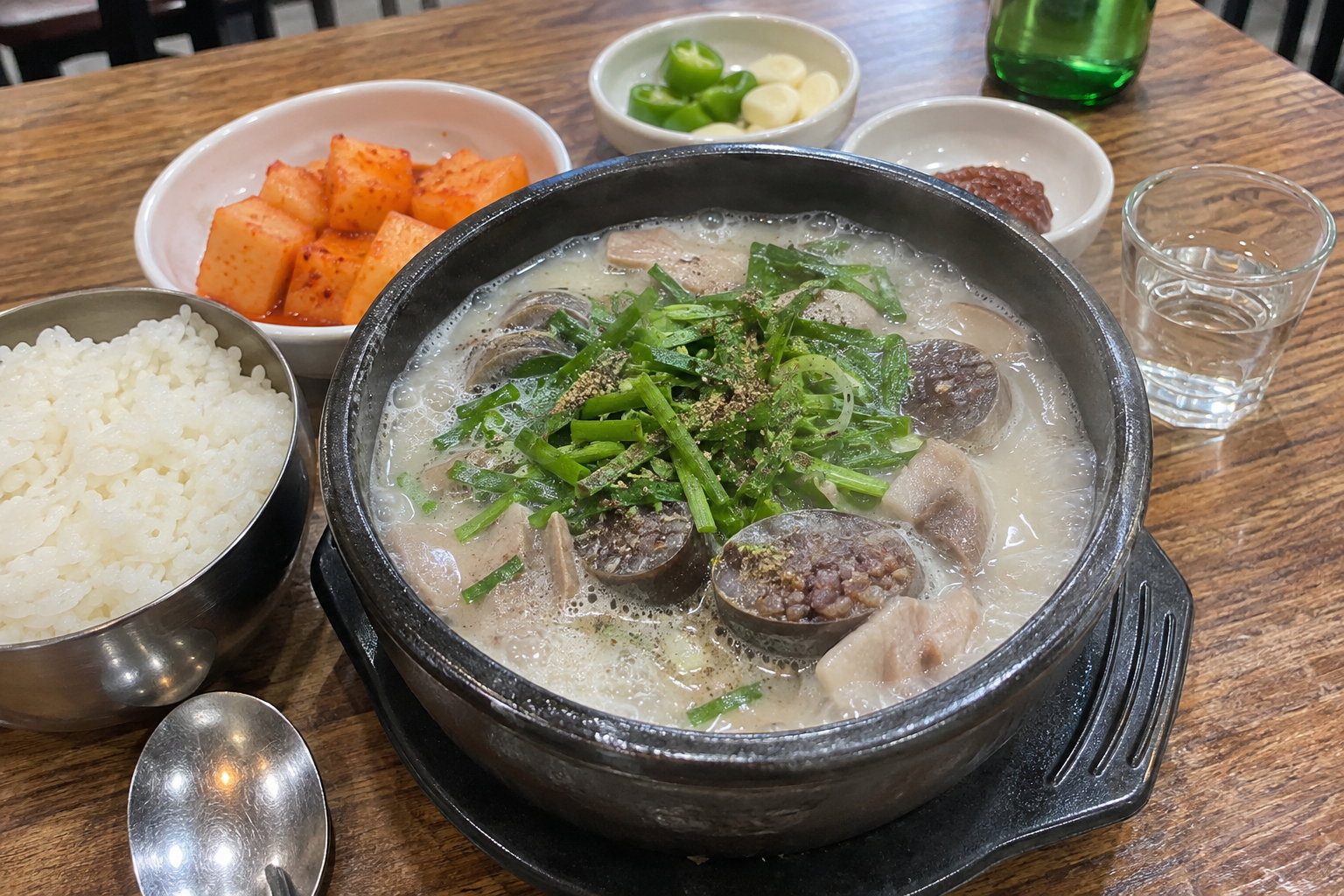
Gukbap (국밥) brings rice and soup together. Dwaeji gukbap uses pork; sundae gukbap includes Korean blood sausage; some versions feature beef head meat. They can be eaten alongside soju, with an individual bowl of rice and broth at the centre of the meal.
If you have dadaegi (다대기), a spicy seasoning paste, saeujeot or ground perilla seeds to add, taste a spoonful of the original broth first. Then compare how the seasoned version meets the drink. A separate plate of suyuk adds another texture to the meal.
Gukbap does not require alcohol. If you do choose to pair it with soju, pay attention to the broth's seasoning and aroma and the kimchi beside it, rather than treating every bowl called “gukbap” as the same pairing.
Hoe: a little chojang can lead the flavour
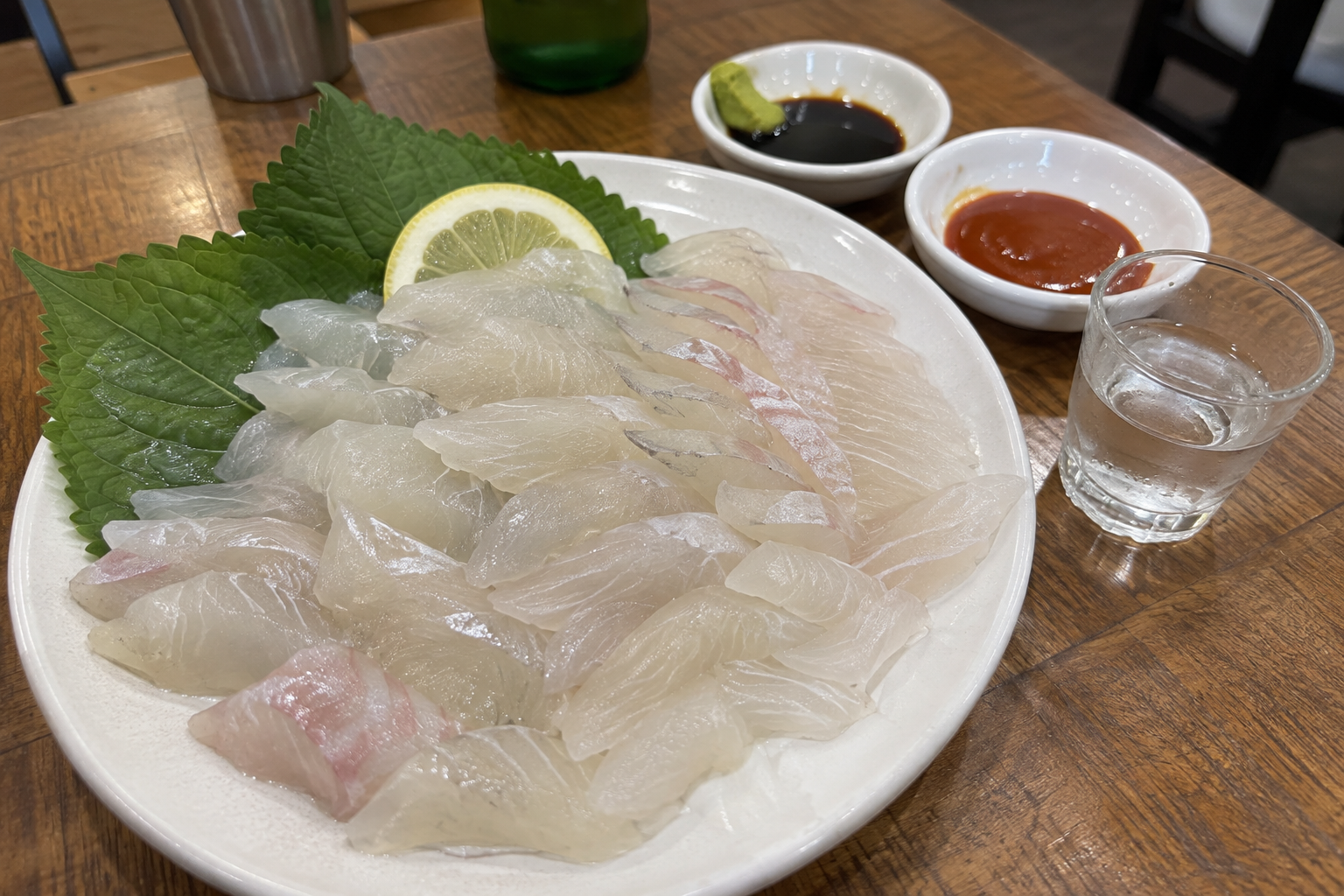
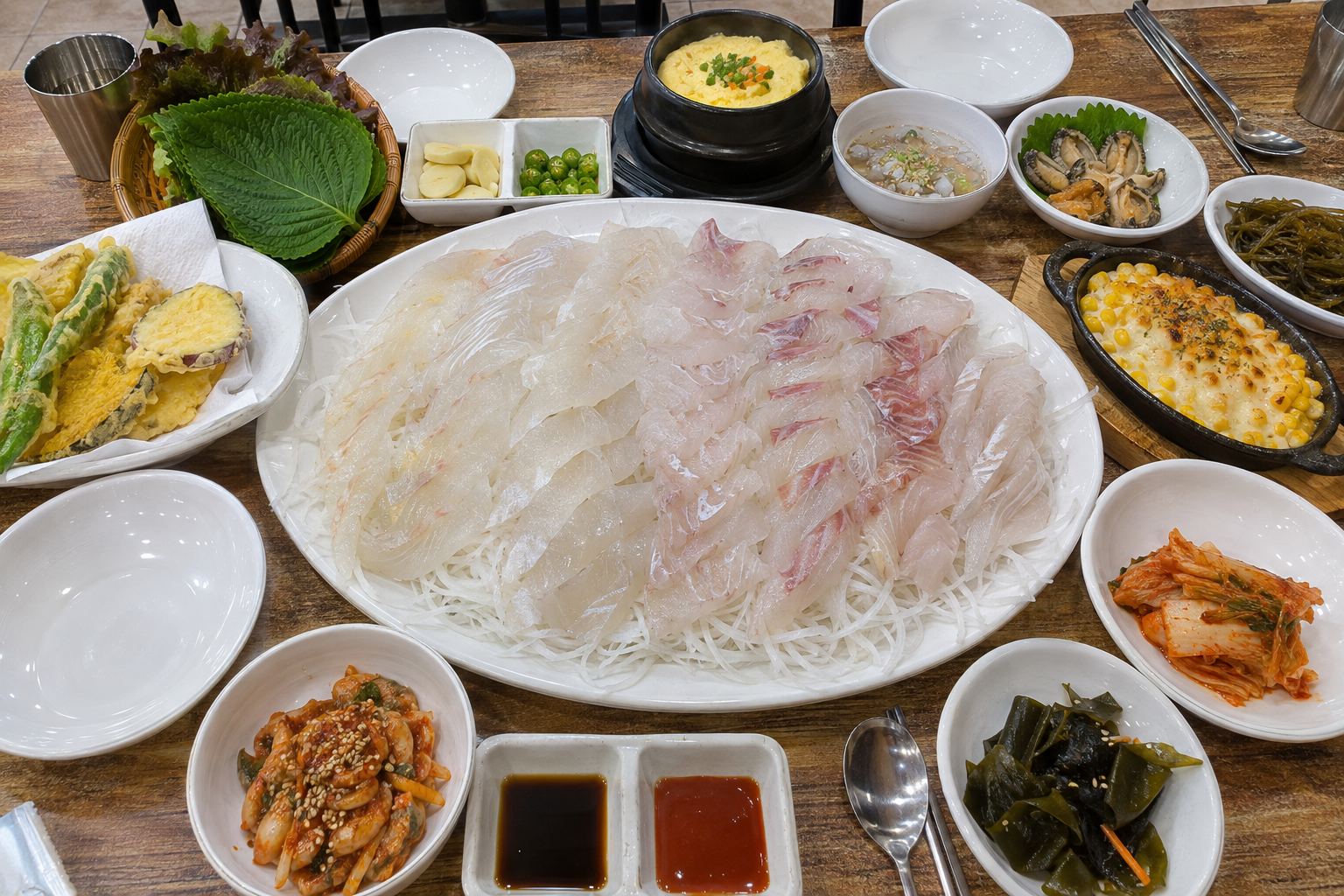
Hoe (회), Korean-style raw fish, and soju are a familiar combination at a Korean drinking table. The fish's springiness and fat give you textures and flavours to compare with the clear spirit.
If you have chosen a distilled soju, start with a slice dipped lightly in soy sauce. Next, try chojang (초장), a tangy red chilli sauce, or wrap the fish in a perilla leaf. Acidity and the leaf's aroma can change how the same fish and drink taste together.
Alcohol does not disinfect raw fish. The pairing is about flavour and texture. If your meal continues with maeuntang, enjoy the change from cool slices of fish to a hot pot of broth.
Leave chicken and pizza to the beer
For the soju recommendations in this guide, chicken and pizza sit this one out. With crisp fried chicken, cheese or sweet sauces, the editorial pick here is beer. That is a preference within this series, rather than a taste rule everyone must follow.
With soju, follow the browning of grilled meat, the simplicity of boiled pork, the broth in a soup or gukbap, or the texture of raw fish. A small glass can sit beside a surprisingly varied dinner.
Remember one dish and one particular bottle together: a salt-seasoned bite of grilled beef with Ilpum Jinro 25, or a piece of suyuk with Hwayo 25. That more specific memory makes your next choice easier.
The Korean Drinks Guide series
- 01 — Makgeolli, Pajeon and the 2:1 Maksa Mix
- 02 — Soju, Distilled Spirits and Food Pairings
- 03 — Somaek, Gojingamrae and Mixed Drinks
Sources and product references
- Academy of Korean Studies — Soju production and types
- National Archives of Korea — Distilled and diluted soju
- HiteJinro — Chamisul Fresh, 15.7%
- HiteJinro — Chamisul Original, 20.1%
- HiteJinro — Jinro, 15.7%
- Lotte Chilsung Beverage — Chum Churum, Saero and other soju products
- Lotte Chilsung Beverage — Chum Churum Classic 20 relaunch and packaging
- Lotte Chilsung Beverage — Chum Churum Jin 20% product record
- Lotte Chilsung Beverage — Saero, 15.7%
- Hallasan 17 and 21 — Academy of Korean Studies
- Academy of Korean Studies — Hallasan 17 and Hallasan 21
- HiteJinro — Ilpum Jinro 25 and Ilpum Jinro Mild
- Hwayo — Product strengths, ingredients and maturation
- Hwayo — Brand and production background
- Korea Tourism Organization — Raw fish, soju and maeuntang
Comments 0